
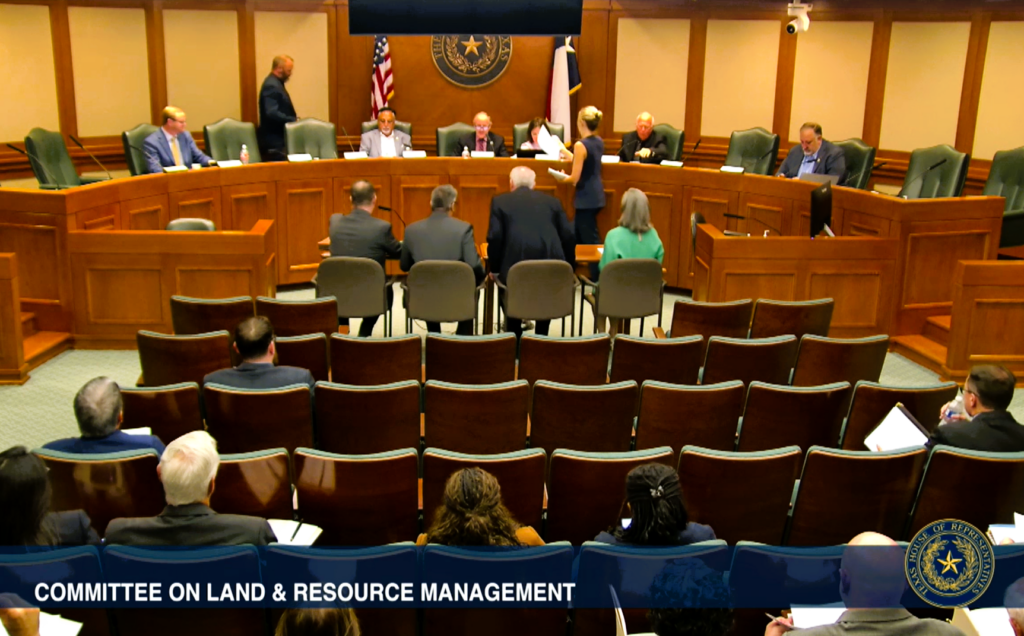
Allen Boone Humphries Robinson LLP (ABHR) Partner Trey Lary recently testified before the Texas House Committee on Land and Resource Management during an interim hearing examining the role of municipal utility districts (MUDs) in housing attainability, affordability, and the management of Texas' continued growth.
Invited to testify, Lary shared how MUDs have become one of Texas' most effective tools for financing the public infrastructure needed to support the state's rapid population and economic expansion while preserving housing affordability.
"MUDs are a key reason Texas has been able to accommodate extraordinary growth while maintaining attainable housing opportunities," Lary told the committee. "The MUD model ensures that new growth pays for itself, rather than shifting those costs to existing taxpayers."
During his testimony, Lary explained that MUDs finance essential public infrastructure—including water, wastewater, drainage, roads, and parks—through a public-private partnership that places the initial financial risk on developers. Developers invest significant private capital to construct infrastructure before homes are built, and only after a community has established sufficient taxable value may a MUD reimburse eligible costs through voter-approved bonds repaid by the residents who directly benefit from those improvements.
Lary emphasized that this financing structure has been instrumental in supporting Texas' continued economic competitiveness and population growth while avoiding the higher housing costs experienced in many other states.
Among the key points of his testimony:
• MUDs allow growth to pay for itself instead of requiring existing taxpayers to fund infrastructure for new development.
• Developers assume substantial upfront financial risk by privately financing public infrastructure before reimbursement is possible.
• Homebuyers receive multiple state-required disclosures regarding MUD taxes, bonds, and obligations before purchasing a home.
• The growth in MUDs reflects Texas' unprecedented population growth and increasing demand for housing—not unnecessary proliferation.
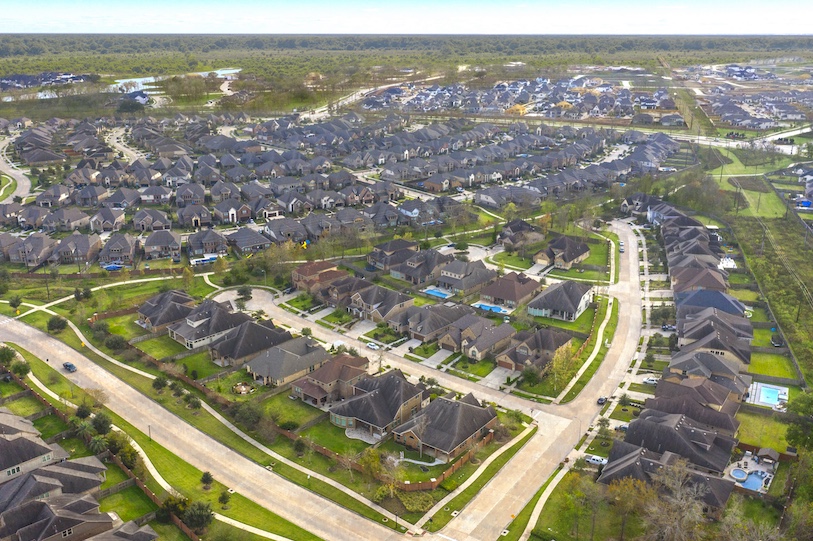
• MUDs have helped make master-planned communities and attainable homeownership possible for millions of Texans.
Lary also highlighted the scale of the MUD model across the Houston region, noting that approximately 3.9 million Texans now live within Houston-area MUDs, compared to approximately 2.4 million residents within the City of Houston. Between 1990 and 2024, Houston's population grew by approximately 46 percent, while the population living in surrounding MUDs increased by roughly 386 percent, underscoring the critical role these districts have played in accommodating regional growth.
ABHR has long been recognized as one of Texas' leading law firms representing special districts, serving as general counsel, bond counsel, and legislative counsel to hundreds of districts across the state. The firm has helped develop many of the financing structures that have supported the growth of Texas' premier master-planned communities and continues to advocate for policies that enable communities to invest in the infrastructure necessary for future generations.
The House Committee's interim charge directs lawmakers to evaluate the creation and oversight of MUDs while examining their impact on housing affordability and Texas' continued growth. Lary's testimony reinforced the importance of the MUD financing model as a cornerstone of the state's ability to deliver infrastructure, support economic development, and keep housing attainable for Texans.